by QBA.Support | Oct 27, 2022 | Biosecurity, Resources
National Bee Biosecurity Program National Bee Biosecurity Program This National Program underpins the Code of Practice and employs a Bee Biosecurity Officer (BBO) in each State to assist beekeepers with education and training in biosecurity best practice – including:...
by QBA.Support | Oct 27, 2022 | Flora, Resources
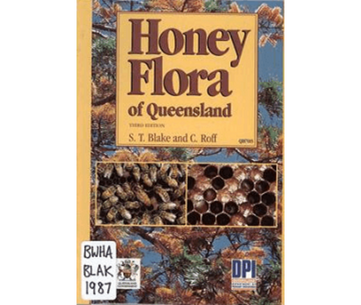
Honey Flora of Queensland Honey Flora of Queensland by S T Blake and C Roff This book includes plants that are important to beekeeping in Queensland and northern NSW. It describes each plant, its distribution, distinctive features and its value as a source of nectar...
by QBA.Support | Oct 27, 2022 | Flora, Resources
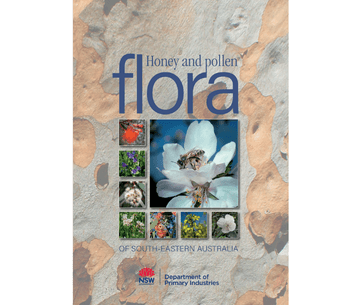
Honey and Pollen Flora of South East Queensland Honey and Pollen Flora of South East Queensland by Dr Douglas Somerville The core to successful beekeeping is knowing and understanding floral resources , their availability and nutritional value to keeping bee colonies...
by QBA.Support | Oct 27, 2022 | Flora, Resources
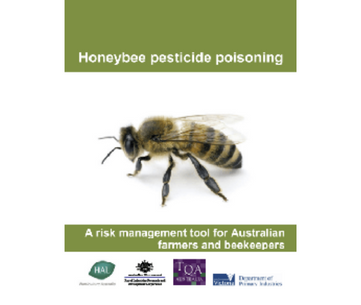
Honey Bee Pesticide Poisoning Honey Bee Pesticide PoisoningA Risk Management Toolfor Australian Farmers and Beekeepers by Daryl Connelly An increase in the number of managed beehives available for crop pollination is crucial to continued prosperity & security of...
by QBA.Support | Oct 27, 2022 | Key Organisations, Resources
BeeAware BeeAware The BeeAware website is a hub of information for beekeepers and growers about honey bee biosecurity, the honey bee industry, pollination of agricultural and horticultural crops, a range of beekeeping videos and an extensive, full colour section on...
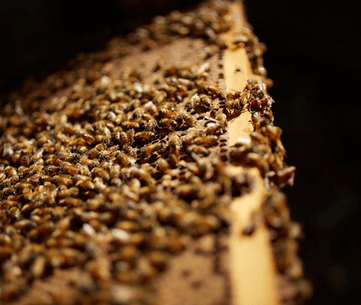
by QBA.Support | Oct 27, 2022 | Inquiries, Resources
More than Honey More Than Honey On Monday 16 June 2008, the House Standing Committee on Primary Industries and Resources tabled its report on the Inquiry into the Future Development of the Australian Honey Bee Industry. More Than Honey: the future of the Australian...
